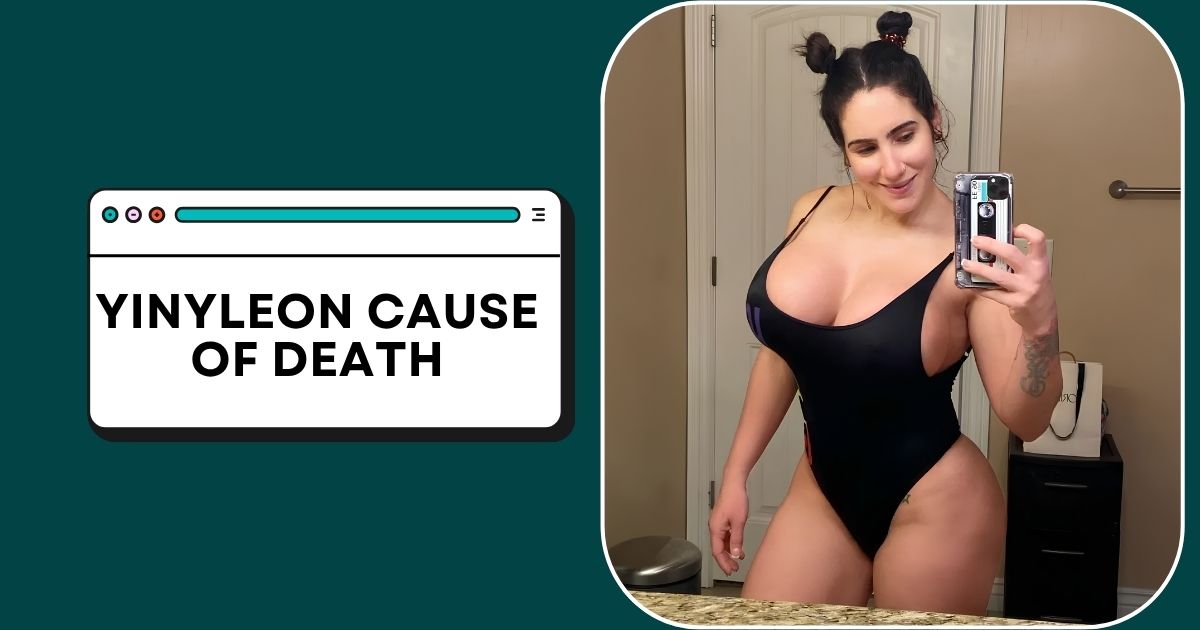

If you searched for “Yinyleon cause of death,” you landed in the middle of one of the internet’s most confusing rumor cycles. The phrase has been trending across TikTok captions, Google autocomplete, and clickbait blogs for months, yet no credible outlet has ever confirmed that Yinyleon has actually died.
There is no verified report, family statement, or official record confirming Yinyleon’s death. The cause of death claim is an unconfirmed online rumor, not a documented fact, and public activity suggests she remains alive and active in 2026.
This guide breaks down where the rumor started, why the cancer and autopsy claims fall apart under basic fact checking, and how you can tell a real death report from a viral hoax the next time a similar story appears in your feed.
Death rumors about online personalities are not new, but they move faster than ever before. A single video can reach millions of viewers before anyone writes a proper fact check, which is essentially what happened here. Understanding how this specific rumor grew can help you spot the same warning signs the next time a similar headline shows up in your own feed.
Bio/Wiki
| Detail | Information |
| Name / Alias | Yinyleon |
| Profession | Social media influencer and online content creator |
| Known For | Short form videos, lifestyle content, and fan platform content |
| Reported Birth Year | 1984 |
| Reported Location | Public bios link her to Puerto Rico |
| Active Platforms | TikTok, Instagram, YouTube, and a subscription fan platform |
| Follower Count | Reportedly over 3 million combined across platforms |
| Current Status | Alive and posting, based on recent public activity |
| Cause of Death | Not applicable, since no death has been confirmed |
Why People Search for Yinyleon Cause of Death
This search term did not appear out of nowhere. A mix of viral content, algorithm behavior, and simple curiosity pushed it to the top of trending searches. The most common reasons people type this phrase include:
- Emotional TikTok videos using old clips, slow music, and captions that imply she has passed away
- Blog headlines with words like “shocking,” “revealed,” or “the truth about” attached to her name
- Google and TikTok autocomplete suggesting the phrase after enough people search it
- A short break from posting that fans mistook as a warning sign
- A desire to confirm or deny a tribute post before sharing it themselves
None of these reasons prove anything happened. They only explain why the phrase became popular, which is an important distinction that most rumor articles skip.
It also helps to understand that Yinyleon is what many people describe as a private public figure. She is known and followed online, but she does not have the large press team or constant news coverage that a mainstream actor or musician might have. When someone in that position posts less often, fans sometimes fill the silence with their own worst guesses instead of waiting for real information.
Read More: Tiffanyxduhh1 Bio, Age, Education, Parents, Boyfriend & More
Is Yinyleon Dead?
No. Based on everything publicly available, there is no confirmed death and no official cause of death tied to her name. A real death confirmation almost always follows a specific pattern:
- An announcement from a verified account belonging to the person, their family, or their management
- Coverage from an established, credible news outlet
- A public record, obituary, or legal filing
- Confirmation from people close to the individual, not anonymous posts
None of these steps have happened in Yinyleon’s case. What exists instead is a collection of viral videos and copycat blog posts that repeat the same unverified claim without adding any new evidence. As of the most recent public activity in 2026, she continues to post and interact with followers, which directly contradicts the death rumor.
The Truth About the Cancer Rumor
The most persistent version of this rumor claims Yinyleon died from cancer. It is also the version with the least supporting evidence.
Where the Cancer Claim Started
The cancer story appears to trace back to anonymous social posts and low quality blogs rather than any hospital, doctor, or family source. Some posts added invented details like treatment timelines or specific cancer types to make the claim feel more credible, a common tactic in fabricated health stories.
Why the Claim Does Not Hold Up
A genuine cancer diagnosis or death would typically involve some combination of the following, none of which exist here:
- A public statement from family or representatives
- A hospital or medical record referenced by a credible source
- A noticeable change in posting activity consistent with serious illness
- Coverage from at least one established news outlet
Since none of these pieces exist, the cancer claim should be treated as speculation, not fact. Responsible reporting does not attach a specific illness to someone’s name without solid proof, and this article will not do that either.
The TikTok Death Hoax Problem
TikTok has become the main engine behind this entire rumor, and understanding why helps explain how celebrity death hoaxes spread in general.
How These Hoax Videos Are Usually Made
Creators chasing views tend to follow a predictable formula:
- Reuse old footage or photos out of context
- Add slow, emotional background music
- Write a vague caption implying insider knowledge, such as “rest in peace” or “the truth is out”
- Avoid citing any actual source
- Let the comment section fill with grief before anyone asks for proof
Why These Videos Spread So Fast
TikTok’s algorithm rewards watch time, shares, and emotional reactions, and sadness or shock tends to outperform calm, factual content. Viewers often share a video before pausing to check whether it contains any real confirmation. By the time a correction appears, the original hoax has already reached far more people than the fact check ever will.
What About the Autopsy Claim?
Some versions of this rumor go a step further and claim an autopsy confirmed her death. This detail is worth addressing directly because it is one of the more misleading parts of the story.
An autopsy is a legal and medical procedure that only takes place after a death has already been officially recorded. There is no public legal filing, medical record, or credible news report describing an autopsy connected to Yinyleon. Using the word “autopsy” in a caption or headline makes a rumor sound official, but it does not create real evidence. Readers should treat any autopsy claim without a linked legal or medical source as fabricated.
Read More: Tesehki Age: What 31 Years Tell About Her Rise to Fame
Why Death Hoaxes Keep Happening
Yinyleon is far from the first online personality to face a fake death rumor, and she will not be the last. A few factors make this type of misinformation almost inevitable:
- Financial incentive. Shocking headlines generate clicks, and clicks generate ad revenue for low quality websites.
- Algorithm design. Platforms tend to boost emotional content over calm, accurate content.
- Emotional sharing behavior. People often share sad news before verifying it, simply because grief feels urgent.
- Information vacuums. When a creator posts less often and no official statement addresses the rumor quickly, speculation fills the gap.
- Copycat content. Once one post makes a claim, dozens of blogs and videos repeat it without adding any new verification.
This Pattern Has Happened Before
Yinyleon is far from the only online figure to face this exact situation. Fake death rumors have circulated for years about musicians, actors, and internet personalities, often built on the same ingredients: a dramatic caption, recycled footage, and an emotional soundtrack. Many of those earlier hoaxes were eventually traced back to a single unverified post that got copied across dozens of pages until it looked like widespread news. Recognizing this recurring pattern makes it much easier to stay calm and skeptical the next time a similar story appears, whether it involves Yinyleon or someone else entirely.
How to Check If a Death Report Is Real
The next time you see a death rumor about any public figure, a quick mental checklist can save you from spreading false information:
- Look for a statement from a verified family member, representative, or management account
- Check whether at least one established, well known news outlet has reported it
- Be cautious of vague phrases like “reportedly,” “sources say,” or “fans believe”
- Visit the person’s own official accounts to see if they have posted recently
- Remember that search engine autocomplete reflects curiosity, not confirmed news
- Treat dramatic captions, sad music, or “shocking truth” style headlines as a warning sign rather than proof
If a claim fails most of these checks, the safest choice is to wait for verified information instead of sharing it further.
The Real Harm of False Death Reports
It is easy to treat a death hoax as harmless internet drama, but the consequences reach far beyond a single viral video. A false death report can follow someone for years, resurfacing every time a new viewer stumbles onto an old clip. The consequences generally fall into a few categories:
- Fans experience genuine grief and anxiety over something that never happened
- The person’s reputation and brand partnerships can suffer from constant false headlines
- Search engines and AI generated summaries can end up repeating unverified claims if enough low quality pages publish them
- Repeated hoaxes make people more skeptical of real news, including real emergencies involving other public figures
- People genuinely facing illness can be taken less seriously later because of the “cry wolf” effect created by fake health rumors
Why This Topic Still Trends in 2026
Death hoaxes rarely disappear once they start, and this one is a good example of why. A few things keep the phrase alive years after it first appeared:
- Search engine autocomplete continues to suggest the phrase to new users who have never seen the original rumor
- Content sites keep republishing similar articles because the keyword still gets search traffic
- Old TikTok videos resurface through shares, duets, and recommendation algorithms long after they were first posted
- New readers discovering the phrase for the first time assume it must be recent, which restarts the cycle
In short, the topic trends because of search behavior and recycled content, not because of any new confirmed development.
What Is Actually Confirmed?
To keep things simple, here is a clear separation between what is confirmed and what is not.
Confirmed:
- Yinyleon has an active online presence as of 2026
- No official death announcement has ever been made by family, representatives, or credible news outlets
- No verified cancer diagnosis exists
- No legal or medical autopsy record has been published
- The rumor appears to have started through social media posts rather than any official source
Not confirmed:
- Any cause of death
- A cancer diagnosis or cancer related death
- An accident or sudden incident
- An autopsy or related medical finding
Conclusion
The honest answer to “Yinyleon cause of death” is that there is no cause of death to report, because there is no confirmed death in the first place. The rumor spread the way most viral hoaxes do, through emotional TikTok content, vague blog headlines, and repeated sharing without verification. The cancer claim and the autopsy claim both fail basic fact checking, and public activity points toward Yinyleon being alive and active rather than the opposite.
Before sharing any death related claim about a public figure, it is worth pausing to check for a verified statement or credible news coverage first. That simple habit protects both the person being talked about and the people who care about them.
If Yinyleon’s situation ever changes and a real, verified update becomes available, it would come through the same channels described throughout this article: an official statement, verified accounts, or established news coverage. Until that happens, the responsible position remains the same one this article opened with. There is no confirmed cause of death, because there is no confirmed death.
FAQs
Is Yinyleon dead?
No. There is no verified report confirming her death, and public activity suggests she remains active online in 2026.
Did Yinyleon die of cancer?
No credible source has confirmed a cancer diagnosis or a cancer related death, so this claim remains an unverified rumor.
Is there a real autopsy report for Yinyleon?
No. Autopsies only occur after a confirmed death, and no legal or medical record supports this claim.
Where did the Yinyleon death rumor start?
It appears to trace back to viral social media posts and TikTok videos rather than any official or credible source.
Why does this topic keep trending years later?
Search engine autocomplete, recycled TikTok clips, and repeated blog content keep pushing the old rumor in front of new readers.
How can I tell if a celebrity death report is real?
Check for statements from verified accounts, coverage from established news outlets, and avoid trusting vague or unsourced claims.

Morgan White, the voice behind Blessing Hubz, delivers heartfelt reflections and meaningful blessings designed to encourage hope, uplift the soul, and bring warmth and positivity to everyday life.